
Tree Influence on foundations
How does Tree Influence effect foundations?
There are many factors to consider when building or extending a property, such as budget, planning permission, building regulations, and the quality of workmanship. However, one important factor that many people tend to overlook is the influence of trees on a property.
Trees can add beauty and character to a property and can sometimes be the finishing touch that makes it feel complete. However, they can also complicate the ground conditions beneath a structure. The impact of a tree depends on several factors, including its size, the type of soil it is growing in, and its distance from the proposed build.
Something as simple as the location of a tree, if not properly assessed, can lead to significant structural issues and become an expensive mistake.
As stated in the NHBC guidelines, the combination of shrinkable soils and trees, hedgerows, or shrubs represents a hazard to structures that requires special consideration. Trees, hedgerows, and shrubs extract moisture from the ground and, in cohesive soils such as clay, this can cause significant volume changes, resulting in ground movement.
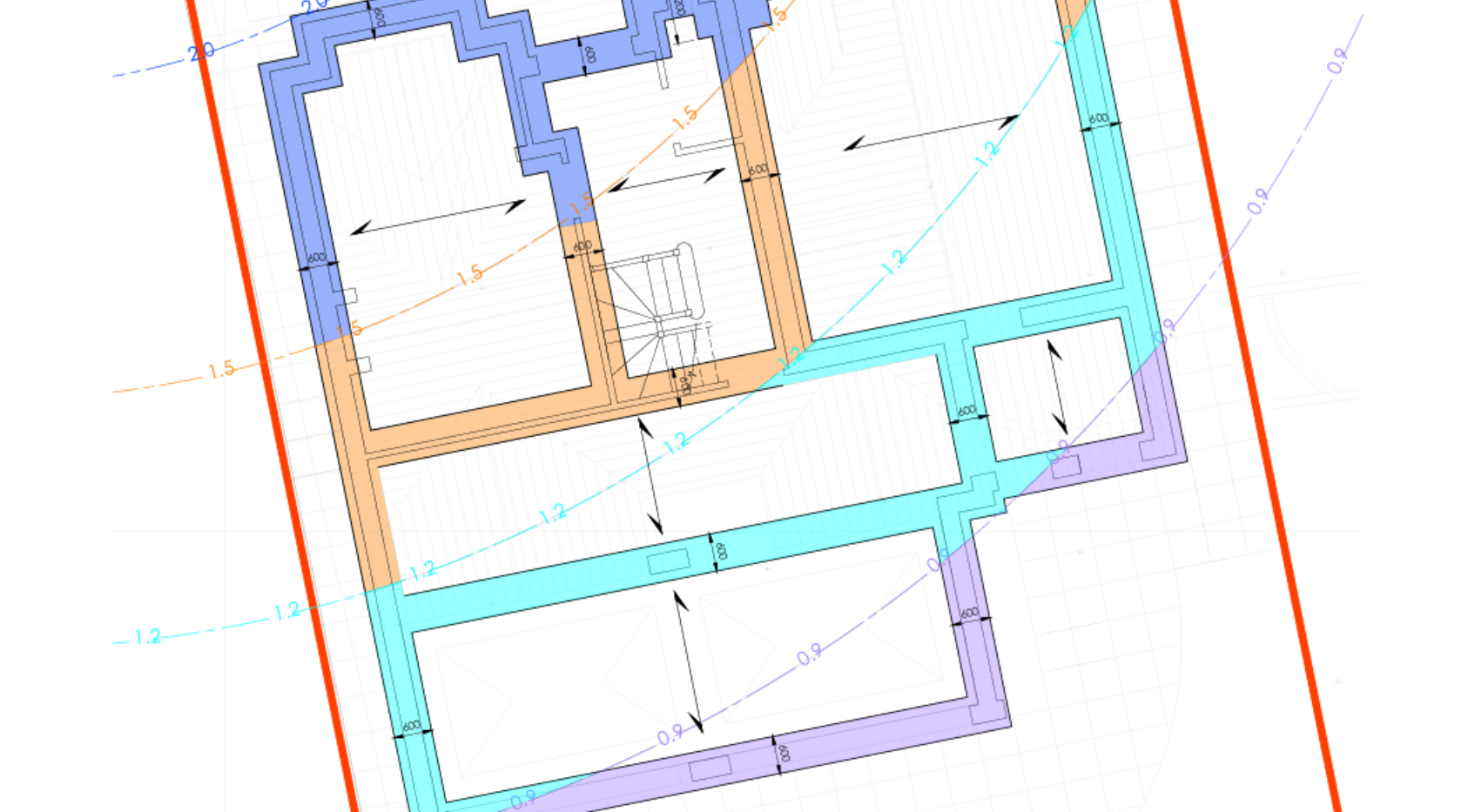
This ground movement has the potential to affect foundations and damage the supported structure. Therefore, to minimise the risk, foundations should be designed to accommodate this movement or be constructed to a depth where the likelihood of damaging ground movement is low.
What this means for your foundations.
Deeper Foundations
The simplest and most common solution is to extend the excavation, digging below the zone where tree roots influence the soil. Typically this is the most cost effective solution although limitations to excavation depths due to safety, may require alternative solutions.
Piled Foundations
Piling would be required should the required excavation exceed 2.5m below ground level which is deemed a maximum safe excavation depth.
Suspended floor
A suspended floor will be required to create a space between the floor and the ground, allowing the ground to expand without causing damage.
Whilst these solutions could mean additional cost to a project they are to allow movement and protect your new structure from long-term damage. This investment is far cheaper than repairing structural damage which can present up to 30 years in the future.